Home › Collections › Famiware Ocean cereal bowls
01Ocean collection
Famiware Ocean cereal bowls
10models in this lineeach with its own glazes
7glazes across itno two pieces identical
$27.99the least of themup to $61.09
6–12pieces in a boxsmallest to largest
When you divide the pack price by the pieces it contains you see what one bowl is worth to you. That single figure matters when you are filling a cupboard or matching a table setting. Set a bowl on a shelf here and the light will catch the rim. Ocean is one of the few names here that is not taken from the sky. Glazes pool at the rim and speckle across the surface so no two rims come out of the kiln the same.
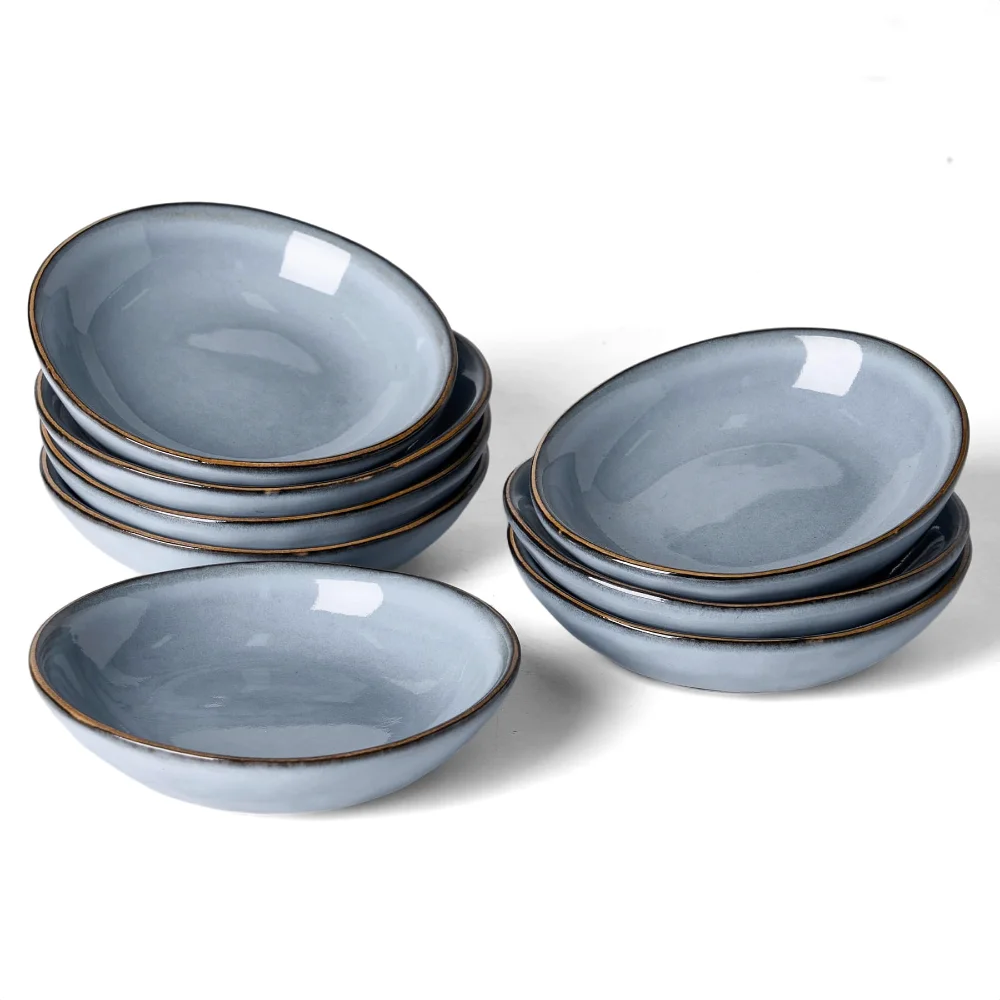
What changes as you move along the line is not the shape so much as how the surface behaves in daily use. A matte finish tends to read flat and uniform in a pile, while a double reactive glaze gathers pigment at the lip and throws tiny flecks through the field. That pooled rim shows highlights differently under a lamp. The unglazed foot is the same across them. It grips a table and leaves a light circle on the plate beneath when bowls are stacked.
Care and glaze claims on this page repeat what is printed on the pack. The public standards behind them are named on our updates page.
02Everything in the line
Famiware Ocean cereal bowls, model by model
The 10 most bought cereal bowls in Ocean first; each card opens the page where that piece keeps its glazes.
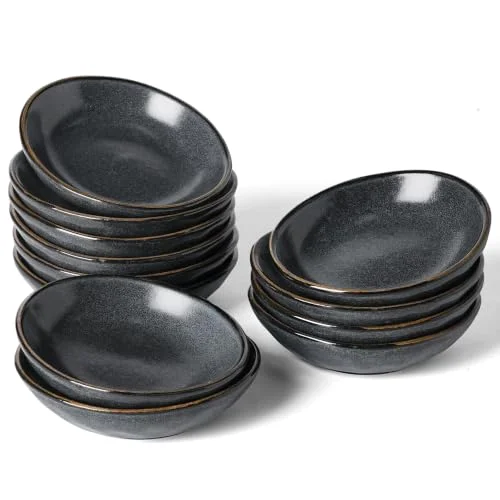
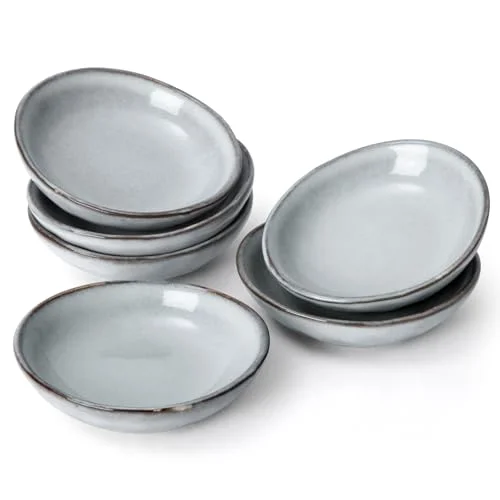
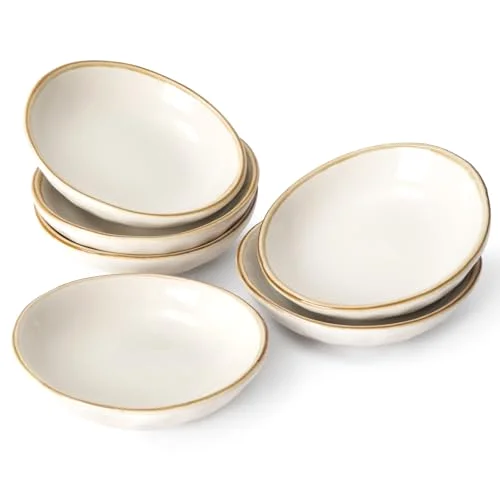
Ocean
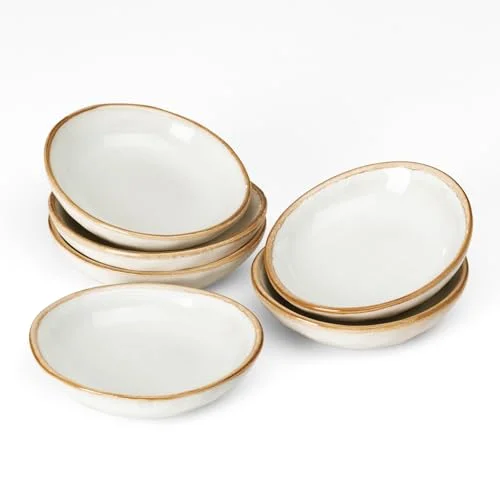
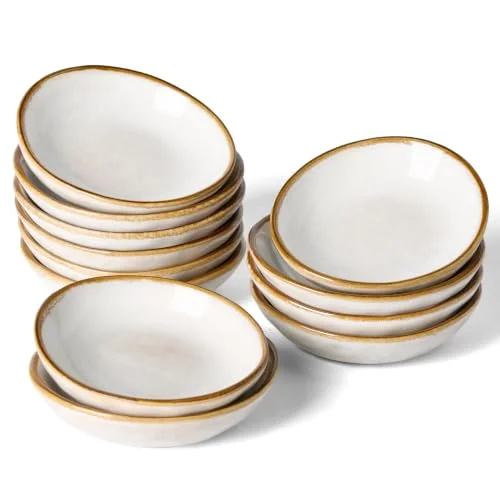
Famiware Ocean Ceramic Soy Sauce Dish, 8-piece
- 8 pieces in the box
- Serves 8
4.8 · 153 ratings
$34.99
Ocean
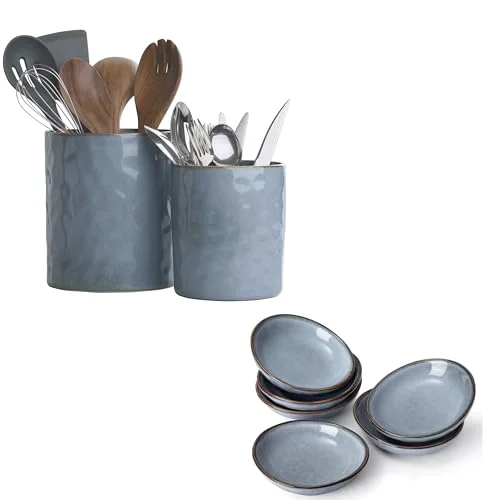
Famiware Ocean Soy Sauce Dishes of 6 and 7.2"+5.8" Ceramic Kitchen Utensil Holder
- Set of 6
- 5.8" and 7.2" across
5 · 1 ratings
$61.09
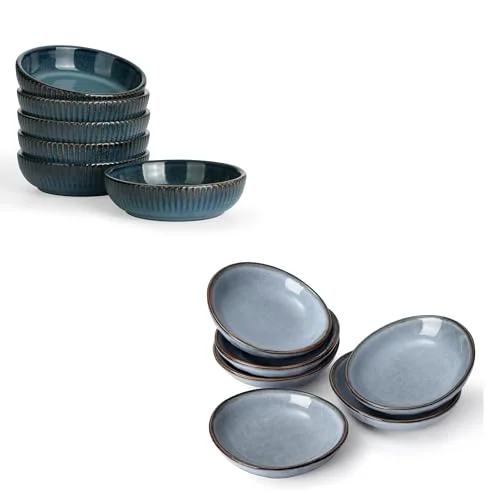
Ocean
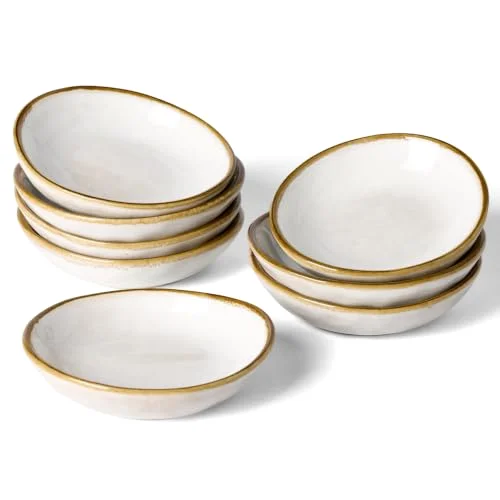
Famiware Ocean 2.1oz Oval Dipping Sauce Bowls and Ceramic Dipping Bowls Set of 6
- Set of 6
- Serves 6
from $42.98
03Cut it two ways
Famiware Ocean cereal bowls by size, and by glaze
The two questions people arrive with. Both are answered here rather than somewhere else.
04About Ocean
Famiware Ocean cereal bowls: two questions
Asked about Ocean cereal bowls in particular rather than about the range as a whole.
How do you calculate the per-piece cost for Famiware Ocean bowls?
Divide the pack price by how many bowls come in that pack to get the per-piece figure you will actually pay. Expect that per-piece falls when you buy a larger pack, and that certain finishes add to the price because they require different handling. Also remember that buying more pieces means more stacking on shelves and more foot rings touching plates below.
Why does my Famiware Ocean bowl leave a pale ring on the plate beneath it?
The foot ring is left unglazed so the piece releases from the kiln shelf and so a bare clay ring meets the plate beneath. That bare ring will sometimes leave a pale circle on the plate below. To avoid it, place a thin felt or paper round between stacked pieces, or limit stacks to a couple high if you care about marks.
Every Famiware size, every glaze
Every diameter, capacity and glaze in the Famiware selection sits behind this button, with the price we last read against each one.